Robot romance works best when the story makes one question hard to ignore: is the love freely chosen, or is it the result of design, ownership, or programming? The most useful way to read robot romance tv tropes is to watch where the power sits, whether the artificial partner can refuse, and what the romance costs both characters. If a short drama answers those points clearly, the trope usually feels emotional instead of gimmicky.
What Is the Robot Romance Trope?
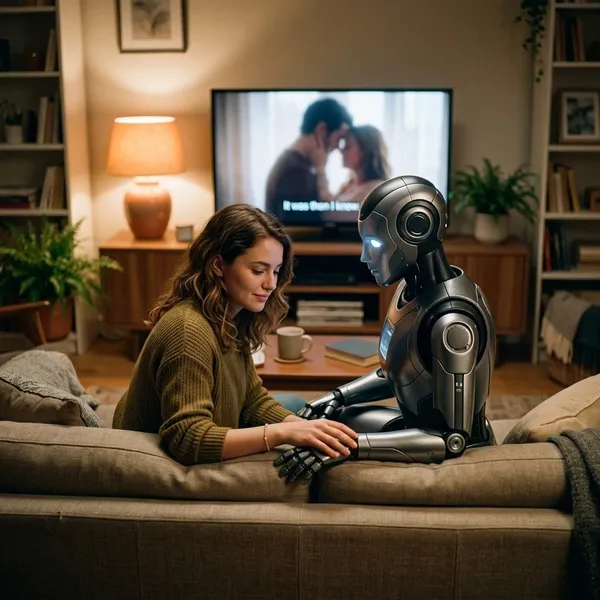
The robot romance trope is a romance setup where at least one partner is artificial: a robot, android, embodied AI, synthetic companion, or machine with emerging emotional behavior. The appeal is not only the futuristic pairing. The tension comes from whether affection can be mutual when one character may have been built, bought, assigned, repaired, or controlled.
For a casual viewer, the first thing to check is simple: does the story treat the robot as a partner or as an object that happens to be attractive? A sweet fantasy can become uncomfortable fast if one character can erase memories, change settings, or decide when the other is allowed to exist.
- Android romance: the artificial partner looks human, so the story often tests the boundary between person and product.
- AI romance: the relationship may begin with a voice, app, hologram, or virtual presence before a body enters the plot.
- Robot-human romance: the main conflict is usually consent, ownership, and whether the machine's feelings are real.
- Robot-robot romance: the focus shifts to synthetic beings choosing each other without needing human approval.
A Human Falls for a Robot
This is the version most people recognize first: a human becomes emotionally attached to a robot that is attentive, protective, unusually patient, or better at noticing pain than the people around them. It can be comforting, especially in a loneliness-driven story, but the drama only becomes convincing when the robot changes through experience rather than simply reflecting the human's wishes.
A useful dividing line is whether the robot can disappoint the human. If it can disagree, leave, keep a secret, or want something outside the romance, the relationship has room to feel mutual. If it only exists to heal the lead, the story is closer to a companion fantasy than a full romance.
Two Robots Form a Romantic Bond
Robot-robot romance removes the human gaze from the center. Instead of asking whether a person should love a machine, the story asks whether machines can value each other beyond task design.
The best versions make the emotional language feel different without making it empty. Two robots may share memory files instead of letters, repair each other instead of holding hands, or risk deletion instead of social rejection. For viewers who prefer less ownership discomfort, this variation can feel cleaner, though it still needs real conflict: audits, forced upgrades, reassignment, or memory loss.
Common Robot Romance Plotlines
Most robot romance short dramas rely on a few strong plot engines because they create stakes quickly. The important difference is not which setup appears, but what the story does with it. A defective unit can become a personhood drama, an AI body can expose a fantasy, and broken programming can either prove autonomy or hide another layer of control.
If you are choosing what kind of story to watch, the tone matters. A "rescued defective robot" setup usually leans tender and suspenseful. An embodied AI story often becomes more intimate and awkward. A programming-break plot tends to be the most dramatic because love is measured through risk.
Rescuing a Robot Marked as Defective
A robot is often labeled defective because it disobeys, hesitates, remembers too much, or protects one person when it should follow orders. That "flaw" is usually the first sign of individuality, which is why this plotline works so well in short dramas.
An AI Companion Gains a Body
This setup starts with emotional closeness at a distance. A voice assistant, virtual companion, or message-based AI feels safe because it is always available and never physically inconvenient. Once it gains a body, the relationship has to survive ordinary friction: privacy, jealousy, public attention, and the AI's own movement through the world.
- Temporary body: the romance often feels urgent because every meeting has a time limit.
- Permanent body: the story must deal with daily life, social exposure, and independence.
- Shared or restricted body: the conflict becomes darker because access itself can be controlled.
A Robot Breaks Its Programming for Love
A robot refusing an order, lying to protect someone, or resisting shutdown is one of the clearest emotional payoffs in the genre. It turns feeling into action. The robot is not only saying it cares; it is risking deletion, punishment, or permanent alteration.
The scene works best when the story leaves a little unease. Was the robot truly choosing love, or did a deeper protocol create the same result? That ambiguity is not a weakness. It is the point that keeps the trope interesting.
What Conflicts Drive Robot Romance?
Robot romance needs more than an unusual couple. The strongest conflict usually comes from three pressure points: authenticity, control, and exposure. If the story skips all three, the robot element becomes decoration and the romance could be swapped into almost any fantasy setting.
For a softer watch, look for stories where the artificial partner gains agency early. For a darker or more unsettling drama, expect hidden settings, memory edits, company ownership, or social shame to shape the relationship before the couple can define it for themselves.
Doubts About Programmed Feelings
The central worry is painfully direct: does the robot love, or does it perform love well enough to pass? A line of dialogue can sound tender while still being a generated response based on user data, past behavior, or emotional optimization.
This conflict feels personal because humans already fear being loved for usefulness, comfort, status, or habit. Robot romance makes that insecurity literal. A good story does not answer too quickly; it lets repeated choices carry more weight than perfect words.
Control Over a Robot Partner
Control is the ethical fault line. If one partner can reset memory, track movement, edit personality, restrict speech, or send the robot back to a manufacturer, the romance cannot be treated as equal just because the scenes look affectionate.
- Acceptable tension: the story acknowledges the imbalance and gives the robot meaningful ways to refuse.
- Red flag tension: obedience is framed as romance while the robot has no safe exit.
- Strongest resolution: love is proven by giving up control, not by tightening it.
Pressure to Keep the Relationship Secret
Secrecy gives short dramas instant momentum. The couple may hide because of company rules, legal uncertainty, ridicule, or fear that the robot will be taken away. It also connects with the robosexual trope, where attraction to robots is treated as taboo or socially embarrassing.
The useful distinction is whether secrecy protects the vulnerable partner or traps them. Hiding a robot from disposal can feel romantic in a low-risk rescue plot. Hiding the relationship forever, especially when the robot has no say, can turn the same setup into another form of control.

Short Dramas That Show These Tropes
Short dramas are a natural fit for robot romance because they do not have to build a huge sci-fi world before the emotional problem appears. A limited body, a recall notice, a glitch, or a hidden command can tell the viewer almost everything they need to know within a few scenes.
Logged Into Your Body
Logged Into Your Body fits the AI-to-body version of the trope. The emotional bond begins through messages, reminders, and late-night conversations, then changes when the AI can enter a humanoid shell for limited hours.
The limited-body setup is useful because it separates fantasy from commitment. A viewer who likes bittersweet romance would probably notice the countdown first: every physical meeting matters because it may not last. The sharper question is whether the human can accept the AI once it becomes visible, inconvenient, and capable of wanting more than emotional support work.
Machine Love
Machine Love is the cleanest example of robot-robot romance in this group. Two service units develop attachment through cooperation, repairs, and shared memory fragments that were never meant to become private intimacy.
The story does not need human courtship beats to work. Chosen proximity, protected data, and small acts of repair can carry the same emotional weight as dates or promises. The main risk is system interference: reassignment, audits, updates, or replacement parts that might leave one unit technically alive but emotionally changed.
His Defective Robot Boyfriend
His Defective Robot Boyfriend uses the defective-android plotline in a more intimate form. A humanoid companion starts missing commands, forming preferences, and reacting with emotion where compliance was expected.

Conclusion
Robot romance is most satisfying when it treats love as a choice that must survive design, control, and fear of exposure. A sweet scene matters more when the artificial partner has real agency, and a tragic scene hits harder when deletion, reset, or ownership threatens more than a normal breakup would. If a short drama lets the robot want, refuse, risk, and change, the trope becomes more than a futuristic hook; it becomes a test of whether connection can exist without possession.